Health and Safety Policy for Cleaners Chiswick
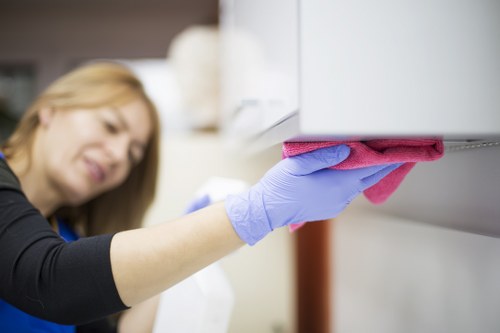 Health and safety is central to every cleaning task, whether the work takes place in homes, offices, or shared spaces. This policy sets out the standards that help cleaners in Chiswick carry out duties safely, responsibly, and consistently. It applies to all cleaning activities and to all staff, including full-time, part-time, and temporary workers. The aim is to reduce risk, prevent injury, and promote a working environment where safe practices are part of everyday routine.
Our approach is based on clear responsibilities, good communication, and proper planning. Every cleaner must understand the hazards linked to cleaning chemicals, wet floors, manual handling, electrical equipment, and repetitive movements. By following set procedures, cleaning teams can protect themselves, clients, and members of the public. Safety is not treated as an added extra; it is a core part of the service.
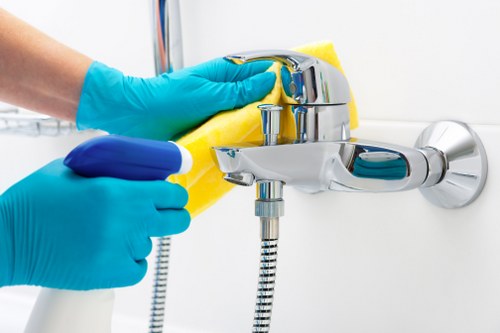 Managers must ensure that risk assessments are completed before work begins in any new environment. These assessments identify possible dangers and explain how they will be controlled. Cleaners Chiswick should never begin a task without understanding the space, the products required, and any access limitations. Where risks change during the job, the assessment should be reviewed and updated accordingly.
Training is essential for safe performance. All staff should receive induction training before starting work, followed by ongoing refreshers that cover chemical handling, equipment use, manual lifting, and emergency procedures. Training should also address safe storage of materials and the correct use of personal protective equipment. A well-trained cleaner is better able to work efficiently while avoiding unnecessary hazards.
Cleaning products must be selected, stored, and used carefully. Labels and instructions should always be read before use, and products should never be mixed unless the manufacturer specifically permits it. Protective gloves, suitable footwear, and other required equipment should be worn as directed. If a product causes irritation, fumes, or any unexpected reaction, the task must stop immediately and the issue reported.
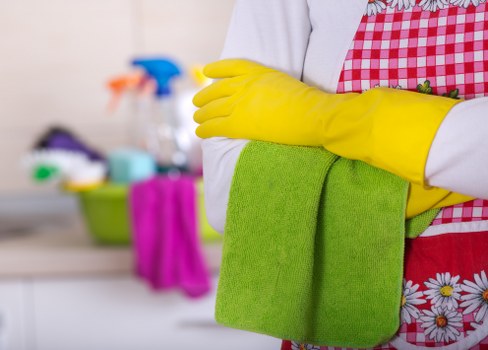 Floors, stairways, and work areas must be kept free from obstacles wherever possible. Warning signs should be used when surfaces are wet or when a cleaning activity creates a temporary hazard. Cables, tools, and supplies should be arranged neatly to reduce the chance of trips and falls. Cleaners Chiswick are expected to work in a way that protects both themselves and others from avoidable accidents.
Manual handling is another important area of control. Lifting heavy bins, moving furniture, or carrying equipment can cause strain if done incorrectly. Staff should assess the load before lifting, use mechanical aids where available, and ask for assistance when needed. Safe posture and controlled movement are more effective than rushing, especially when cleaning large or awkward spaces.
Equipment must be inspected regularly and used only when it is in safe working order. Electrical devices should be checked for damage before use, and faulty items should be removed from service at once. Cords, plugs, and sockets should be kept dry and handled carefully. A disciplined approach to equipment safety helps reduce the risk of shock, fire, and other serious incidents.
Fire safety and emergency readiness are also part of this policy. Staff should know how to respond if they discover smoke, fire, injury, or chemical exposure. Escape routes must remain clear, and any local emergency instructions should be followed without delay. In an urgent situation, calm action and clear reporting can make a major difference to outcomes.
Where cleaning work is carried out in occupied premises, courtesy and awareness are important. Cleaners should respect boundaries, avoid blocking routes, and communicate clearly if an area must be left unattended or temporarily closed. Safe cleaning practice means protecting health without disrupting the normal use of the property more than necessary.
Incident reporting must be completed as soon as possible after any accident, near miss, injury, or unsafe condition. Prompt reporting helps identify patterns and prevents similar problems in future. Managers should investigate incidents carefully, record findings, and take corrective action where needed. This process supports continuous improvement and reinforces accountability across the team.
 Health surveillance may be required where work exposes staff to repeated strain, chemicals, or other occupational risks. If a cleaner reports discomfort, skin irritation, breathing difficulty, or ongoing pain, the concern should be taken seriously and reviewed promptly. Safe working includes listening to early warning signs before they become more serious.
Everyone involved in cleaning activities shares responsibility for maintaining a safe workplace. Supervisors must provide direction, suitable resources, and effective oversight. Staff must follow instructions, use equipment correctly, and speak up if they believe conditions are unsafe. A strong safety culture depends on cooperation, honesty, and consistency.
 This policy should be reviewed regularly to ensure it remains effective, practical, and aligned with current working practices. As cleaning methods, equipment, and environments change, safety controls may need to be improved. By keeping health and safety at the centre of operations, cleaners in Chiswick can deliver reliable service while protecting themselves and others every day.